Gold prices dipped slightly on Thursday

February 12, after stronger-than-expected US jobs data dampened hopes for a near-term interest rate cut by the Federal Reserve.
The drop below $5,000 also deepened losses as selling pressure intensified.
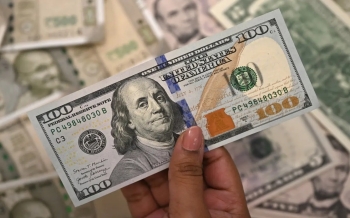
Spot gold fell 2.8% to $4,938.69 an ounce. Earlier in the session, it had hit its lowest level since February 6.
US gold futures for April delivery settled down 2.9% at $4,948.40 an ounce.
“Because of the previous sharp volatility, many had pre-set buy and sell orders for their brokers to automatically buy or sell either below $5,000 or above $5,100 to protect their positions,” said Fouad Razakzadeh, a market analyst at City Index and Forex.com.
“As a result of the decline, these stop-loss orders were triggered below $5,000, creating a chain reaction that caused prices to fall sharply in a short period.”
Data released Wednesday showed that the US labor market started 2026 on a stronger footing than expected, reinforcing the view that monetary policymakers may keep interest rates high for longer.
The price of silver rose, with the spot price gaining less than 0.1% to over $84 an ounce.
U.S. gold futures for April delivery fell 2% to $5,087.30 an ounce at Wednesday's settlement.
"The strong jobs report, which led to a slight decrease in expectations of an interest rate cut, may have contributed to gold's weak movement," OCBC analyst Christopher Wang said in a note reported by Reuters.
U.S. job growth accelerated to 130,000, and the unemployment rate fell by about 0.1 percentage point to 4.3%. However, revisions showed the economy added only 181,000 jobs in 2025, instead of the previously estimated 584,000.
The dollar index rose after the jobs report indicated the strength of the U.S. economy. A stronger dollar makes dollar-denominated commodities more expensive for holders of other currencies
Investors are now awaiting the weekly jobless claims report later today and inflation data tomorrow for clues about the direction of monetary policy.
In a separate development, the Congressional Budget Office projected yesterday that the U.S. budget deficit would increase slightly in fiscal year 2026 to $1.853 trillion.