Oil prices fell nearly 3% on Thursday, February 5, as supply concerns eased ahead of US-Iran talks.
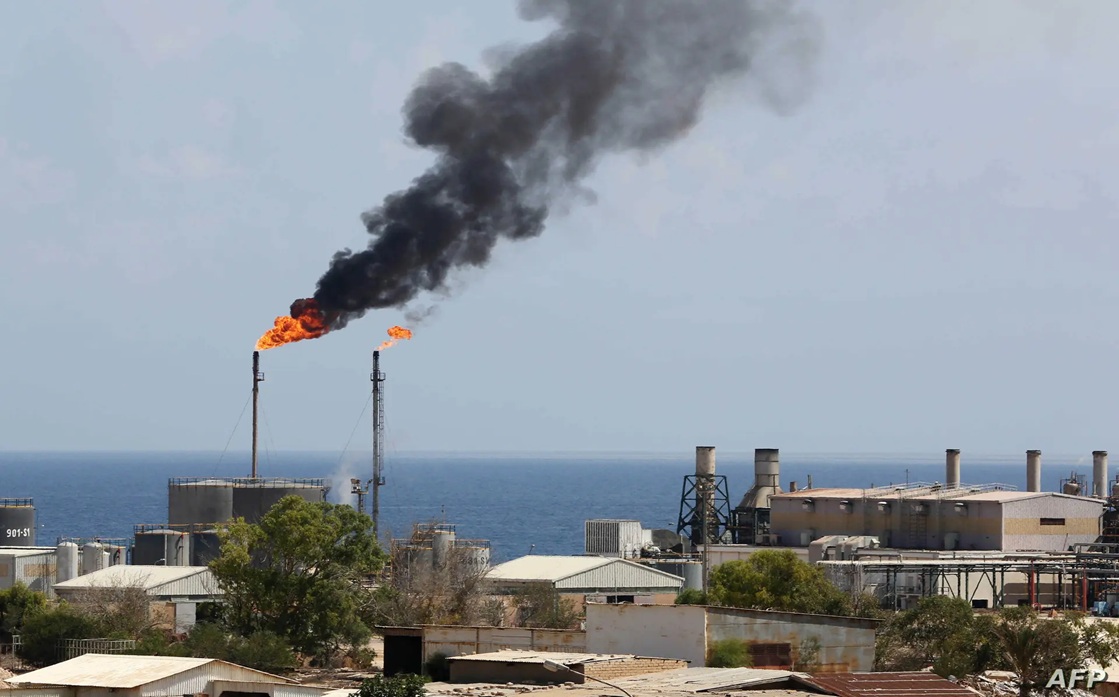
Oil prices settled down nearly 3% after the United States and Iran agreed to hold talks in Oman on Friday, easing concerns about potential disruptions to Iranian crude oil supplies.
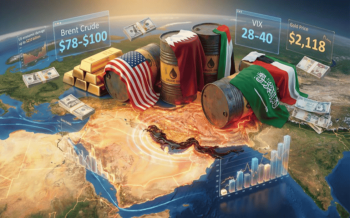
Brent crude futures fell $1.91, or 2.75%, to $67.55 a barrel.
US crude futures also dropped $1.85, or 2.84%, to $63.29 a barrel.
Oil prices had risen nearly 3% on Wednesday after a media report suggested the planned talks between the United States and Iran on Friday might collapse. However, officials from both sides later stated that the talks would proceed as scheduled, despite no agreement being reached on the agenda.
“Oil prices have shed some of their geopolitical risk premium following news of the US-Iranian talks in Oman on Friday,” said Mukesh Sahdev, CEO of energy consultancy X Analysts.
The two sides remain far apart on the agenda. Iran is open to discussing its nuclear program, including uranium enrichment, with Western powers, while the US also wants to include Iran’s ballistic missiles, its support for proxy groups across the Middle East, and its treatment of its own people.
Despite the upcoming talks, concerns remain that US President Donald Trump will follow through on his threats to strike Iran, the fourth-largest oil producer in the Organization of the Petroleum Exporting Countries (OPEC), potentially triggering a wider confrontation in the oil-rich region.
Besides the potential disruption to Iranian production in the event of a conflict, there are concerns about the impact on exports from other Gulf states.
About one-fifth of the world’s total oil consumption passes through the Strait of Hormuz, located between Oman and Iran. Other OPEC members, such as Saudi Arabia, the UAE, Kuwait, and Iraq, also export most of their crude oil through the Strait of Hormuz, in addition to Iran itself.
Meanwhile, data released by the Energy Information Administration on Wednesday showed a decline in U.S. crude oil inventories last week, after a winter storm swept across large parts of the country. The United States is the world's largest producer and consumer of crude oil.