Gold Records Longest Monthly Rally in History Amid Surging Investment Demand
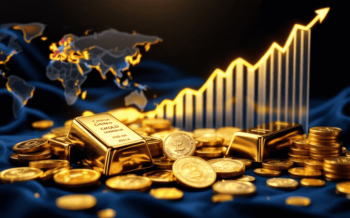
Gold prices have continued their strong upward momentum over recent months, recording gains for seven consecutive months. This marks the longest monthly rally ever recorded for the precious metal since modern financial market data began to be tracked.
During this period, gold prices surged by approximately 61%, representing an average monthly increase of nearly 9%. Such a growth rate is considered exceptional for a traditional asset like gold, which is typically known for its relatively stable and slow price movements compared with high-risk assets such as equities or cryptocurrencies.
This performance reflects a significant shift in the dynamics of the global gold market. Historically, the precious metal has never experienced a monthly rally of this duration and strength. The current surge is taking place amid a combination of powerful economic and geopolitical factors supporting demand, including rising geopolitical tensions, structural shifts in the global financial system, and increasing investment demand from institutional investors.
In such a complex environment, reliable data and analytical insights have become increasingly important for investors seeking to understand market movements and make informed decisions. As a result, many market participants are turning to advanced analytical tools and professional platforms to track gold market developments and identify investment opportunities during this exceptional phase.
Historical Comparison with Previous Gold Cycles
When comparing the current rally with previous historical cycles, the uniqueness of the present trend becomes even more evident. According to historical records, the best previous performance for gold consisted of a rally that lasted six consecutive months.
This occurred during two notable periods: the 1970s and the early 2000s. In the 1970s, gold’s rise was closely linked to the collapse of the Bretton Woods monetary system and the surge in global inflation following the oil crisis. During that time, investors increasingly turned to gold as a store of value amid the declining purchasing power of major currencies.
In the early 2000s, gold also experienced strong gains following the burst of the dot-com bubble and the significant shifts in global monetary policies that followed. However, even during those turbulent periods, the upward momentum in gold prices did not reach the level currently observed in global markets.
Record Inflows into Gold ETFs
Alongside rising prices, exchange-traded funds backed by physical gold have also seen substantial capital inflows, highlighting growing investor interest in the precious metal.
The world’s largest physically backed gold ETF, GLD, recorded strong inflows totaling approximately $3.8 billion in just one week. This figure represents the third-largest weekly inflow in the fund’s history since its launch.
Only two previous weeks recorded higher inflows, each exceeding $4 billion, and both occurred in 2025. These figures underscore the sustained and growing global demand for gold as an investment asset.
Shift in Global Investor Behavior
The surge in ETF inflows reflects a noticeable shift in global investor behavior, as gold demand tends to increase during periods of heightened economic and political uncertainty.
Historically, gold has been regarded as one of the most important safe-haven assets. Investors typically move toward gold during times of financial crises, geopolitical tensions, or rising inflation risks.
With geopolitical tensions escalating across several regions and inflationary pressures persisting in many major economies, gold has once again taken a central role in global investment portfolios.
Central Banks Supporting the Rally
Strong demand is not limited to individual investors and investment funds. Central banks have also played a crucial role in supporting gold prices in recent years.
Many central banks, particularly in emerging markets, have significantly increased their gold purchases as part of efforts to diversify their reserves and reduce reliance on the US dollar.
This trend has created a structural and long-term source of demand for gold, reinforcing the bullish outlook for the precious metal and strengthening its position as a key strategic asset within the global financial system.