Summary of Jerome Powell's Speech: Warnings of Inflation and the Impact of the Iran War
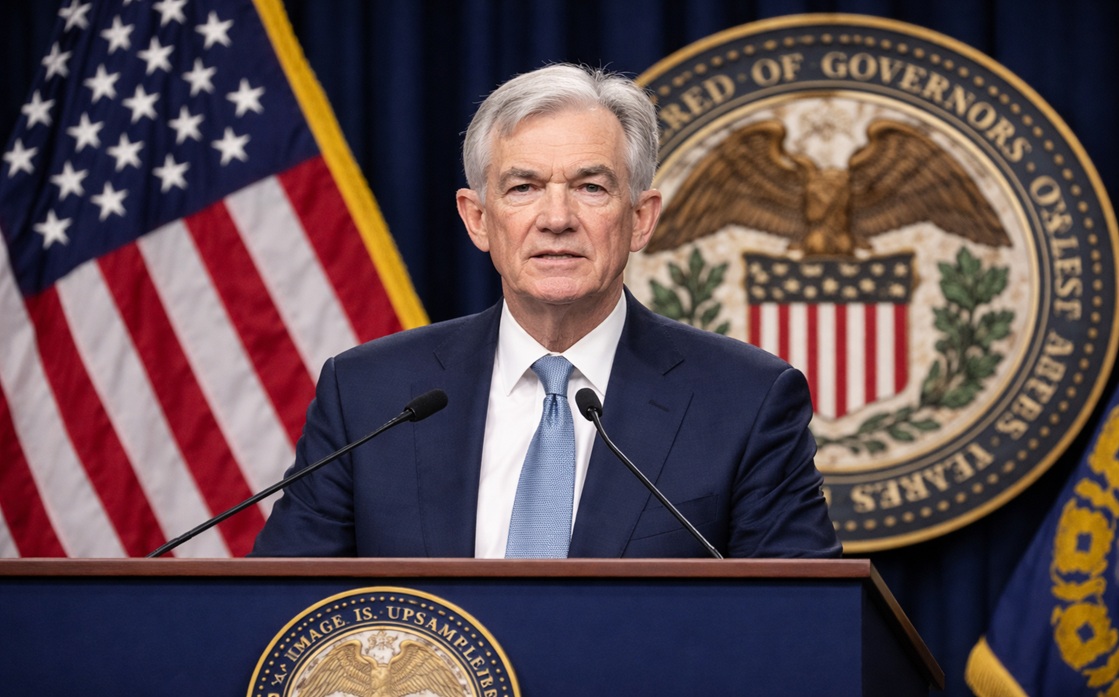
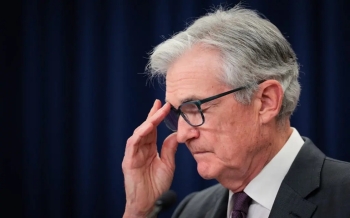
During the press conference, Jerome Powell emphasized that the current period is characterized by a high degree of uncertainty, particularly given geopolitical developments and their direct impact on inflation.
Powell clearly stressed that inflation remains the primary challenge, noting that progress in reducing it has slowed and that pressures could rise again due to external factors, not just those within the US economy.
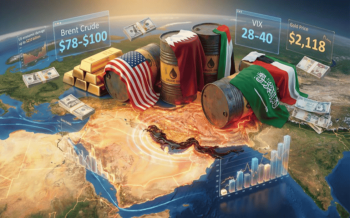
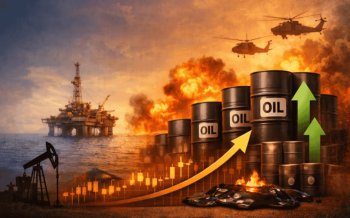
He directly addressed the tensions in the Middle East, especially the escalation related to Iran, emphasizing that any disruption to energy supplies or a rise in oil prices could lead to a new wave of inflation, which puts the Federal Reserve in a very cautious position.
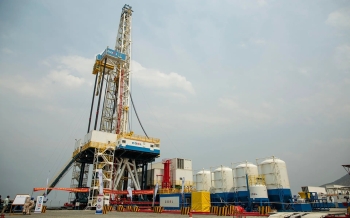
He pointed out that oil prices have once again become a significant factor in the inflation equation after a period of relative stability, and that the Fed is closely monitoring these developments due to their direct impact on transportation and production costs and final consumer prices.
Powell affirmed that these geopolitical factors make it difficult to predict the economic trajectory, stressing that the Fed cannot rely solely on current data but must also consider potential future risks.
Regarding monetary policy, he explained that the central bank is not in a hurry to cut interest rates and needs greater confidence that inflation is moving sustainably toward its target before making any easing decisions.
He also noted that the Fed is trying to strike a delicate balance between controlling inflation and avoiding excessive pressure on the economy, especially given the current volatile global environment.
Powell concluded by emphasizing that the next phase will depend heavily on developments in inflation and energy prices, and that any geopolitical escalation could rapidly alter the outlook, necessitating continued caution in decision-making.