Oil Market Outlook: Cautious Stability and Geopolitical Tension | Point Trader Group

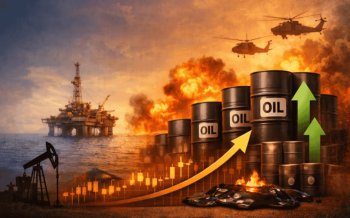
Oil prices moved within a narrow and cautious range during Asian trading on Monday, as markets reacted to renewed dialogue between the United States and Iran amid persistent concerns over potential supply disruptions in the Middle East. With trading volumes subdued due to holidays in both China and the United States, traders showed increased risk aversion—a trend closely monitored by Point Trader Group, which noted a visible shift toward defensive positioning across energy markets.
Brent crude futures for April slipped 0.2% to $67.65 per barrel, reflecting the cautious tone dominating global oil sentiment. Additionally, weaker-than-expected economic data from Japan added pressure by raising concerns about a potential slowdown in Asian demand, further tightening the mood across the market.
U.S.–Iran Nuclear Talks Take Center Stage | Point Trader Group
This week, the United States and Iran are set to resume a new round of negotiations regarding Tehran’s nuclear program, with meetings scheduled in Switzerland. Point Trader Group highlights this development as one of the most significant drivers of price sentiment, given its potential impact on supply stability and geopolitical risk premiums.
Despite the renewed diplomatic engagement, Washington’s deployment of a second aircraft carrier to the Middle East has fueled speculation about possible escalation should talks fail. Market participants remain particularly sensitive to any scenario that could disrupt Iranian oil output—an event that historically triggers rapid upward price movements.
Iranian officials signaled a willingness to make concessions in exchange for sanction relief, but ultimately emphasized that the final decision lies with Washington. Point Trader Group notes that the market is responding to every headline, reinforcing the importance of geopolitical risk monitoring for traders and energy analysts alike.
OPEC+ Production Strategy Under Scrutiny
Reports suggest that the OPEC+ alliance may restart production increases beginning in April—a decision aimed at capitalizing on the recent upward momentum in crude prices. The group is expected to meet on March 1, where production quotas will be a central focus.
According to insights from Point Trader Group, such an increase could place downward pressure on prices in the medium term, although the move may be attractive for producers looking to maximize revenue. This comes after OPEC+ paused production hikes in December due to fears of oversupply—concerns that dominated much of 2025.
However, early 2026 saw oil prices surge to their highest levels in six months, fueled by escalating geopolitical tensions and fresh signs of resilience in the global economy. These developments have given producers renewed confidence, though risks remain.
Where Are Oil Prices Heading Next? | Point Trader Group
The oil market is currently balancing between conflicting forces:
geopolitical threats supporting prices, and economic slowdown fears capping gains. Weak demand signals from Asia, combined with uncertainty surrounding diplomatic negotiations, are shaping a complex and volatile outlook.
According to Point Trader Group, several key variables will determine the trajectory of oil prices in the coming weeks:
The outcome of U.S.–Iran nuclear negotiations
OPEC+ decisions on upcoming production levels
Global demand indicators, especially from Asia
Inflation pressures and monetary policy trends
Potential supply disruptions across geopolitical hotspots
Given this mix of catalysts, the energy market remains highly sensitive, and even minor developments could trigger sharp movements in crude prices.
Conclusion | Point Trader Group
Oil prices may appear stable for now, but beneath the surface lies heightened geopolitical tension and growing economic uncertainty. As the world watches the progress of U.S.–Iran negotiations and anticipates critical OPEC+ decisions, traders must remain alert and ready for volatility.
Point Trader Group recommends closely monitoring real-time updates, as upcoming developments carry the potential to shift market direction quickly and significantly.